A single log record handed to a Logger. More...
#include <logger.h>
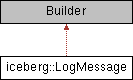
Public Member Functions | |
| Builder (LogLevel level, std::source_location location=std::source_location::current()) | |
| Builder & | Message (std::string message) |
| Set the already-formatted message text. | |
| Builder & | Attribute (std::string key, std::string value) |
| Append a structured key/value attribute. | |
| Builder & | Location (std::source_location location) |
| Override the record's source location (defaults to the build site). | |
| LogMessage | Build () |
| Materialize the LogMessage, moving the accumulated state out. | |
Public Attributes | |
| LogLevel | level = LogLevel::kOff |
| std::string | message |
| std::source_location | location = std::source_location::current() |
| std::vector< LogAttribute > | attributes |
Detailed Description
A single log record handed to a Logger.
Fluent builder for LogMessage, the easy path to attach structured attributes.
The formatted message is owned (moved in when emitted), so a sink may safely retain the record beyond the Log() call. The member set must not depend on the build's logging backend (the spdlog backend never appears here). Use LogMessage::Builder for a readable way to assemble one, especially with structured attributes.
Example: auto record = LogMessage::Builder(LogLevel::kInfo) .Message("scan finished") .Attribute("table", table_name) .Attribute("snapshot_id", std::to_string(id)) .Build(); logger->Log(std::move(record));
The location defaults to the caller's construction site (captured via the constructor's default argument); override it with Location() (e.g. to forward a caller's std::source_location).
The documentation for this class was generated from the following file:
- iceberg/logging/logger.h